
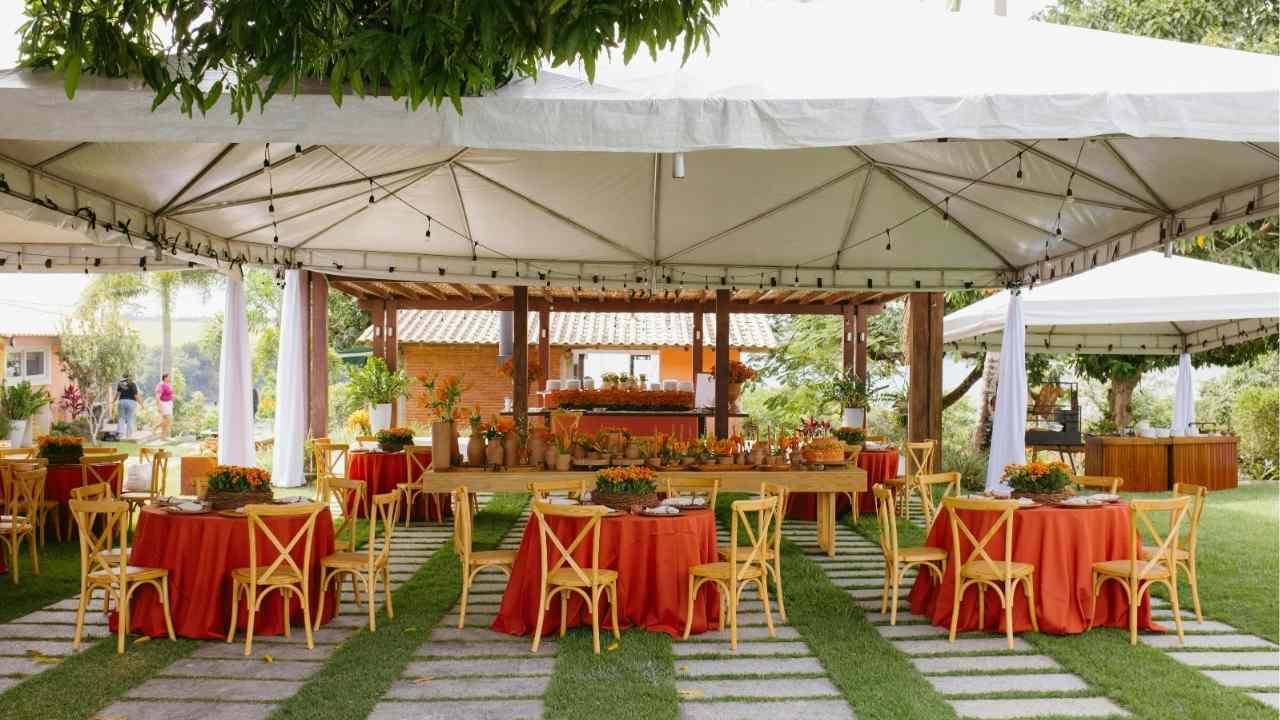
Party Rental Checklist: Everything You Need for a Successful Event
Planning an event can feel simple at first: choose a date, invite guests, and arrange food. Then the questions begin. Where will everyone sit? What happens if it rains? Is there enough lighting? Who is supplying the linens, serving tables, or trash bins?
Working with a reliable provider for party rentals Houston hosts can depend on gives you access to the practical items that turn an empty venue into a comfortable, polished event space. You can also add interactive entertainment, such as a mirror photo booth, to keep guests engaged and create memorable keepsakes. With careful planning, you can secure affordable party rental equipment without cutting corners on comfort, appearance, or guest experience.
The key is knowing what you need before you place your order. Use the following checklist to organize the essentials, identify optional upgrades, and reduce the risk of expensive last-minute additions.
Start With the Event Basics
Before choosing tables, tents, or décor, confirm the basic details of your event. Rental companies use this information to recommend quantities, sizes, and delivery requirements.
Write down the following:
Event date and start time
Venue address
Estimated guest count
Indoor or outdoor location
Setup and breakdown schedule
Type of event
Food and beverage plans
Entertainment requirements
Venue restrictions
Backup weather plan
Your guest count is especially important. Ordering for too few people creates obvious problems, but ordering far too much can waste money and crowd the venue.
It is usually smart to include a small buffer for unexpected guests, damaged items, or seating changes. For example, an event expecting 100 people may need seating for 105 to 110, depending on the occasion.
You should also confirm what the venue already provides. Some locations include tables and chairs but charge extra for linens, lighting, or cleanup. Others provide little more than an open room or outdoor space.
Essential Furniture and Guest Comfort
Furniture forms the foundation of your event layout. Guests need comfortable places to sit, eat, talk, and rest.
Tables
The table style should match the type of event and available space.
Common options include:
Round banquet tables for weddings and formal dinners
Rectangular tables for buffets, gifts, registration, or family-style meals
Cocktail tables for networking events and casual gatherings
Sweetheart tables for weddings
Children’s tables for family events
Display tables for cakes, awards, products, or photographs
Ask your rental provider how many guests can comfortably sit at each table size. Avoid squeezing in extra chairs simply to reduce the number of tables. Crowded seating can make dining uncomfortable and restrict movement.
Chairs
Chair selection affects both comfort and appearance. Basic folding chairs may work well for casual events, while padded, resin, wooden, or decorative chairs may be better for weddings and formal celebrations.
Remember to include chairs for:
Guests
Event staff
Musicians or performers
Vendors
Registration areas
Dressing or preparation rooms
Linens
Linens can transform ordinary rental furniture and help create a consistent theme.
Consider ordering:
Tablecloths
Table runners
Napkins
Chair covers
Chair sashes
Skirting for buffet or display tables
Confirm linen sizes after selecting your tables. The wrong size may leave table legs exposed or create fabric that drags across the floor.
Outdoor Protection, Lighting, and Power
Outdoor events require more preparation because weather conditions can change quickly. Even when the forecast looks favorable, guests still need protection from sun, heat, wind, and unexpected rain.
Tents and Canopies
A tent should be large enough for more than just guest seating. You may also need room for:
Buffet lines
Dance floors
Bars
Entertainment
Staging
Gift tables
Catering preparation
Walkways between tables
Ask whether the tent requires permits, staking, weights, or special surface protection. Installation rules may differ for grass, asphalt, concrete, and artificial turf.
Sidewalls can provide extra protection from wind and rain. However, fully enclosed tents may also need fans, air conditioning, or ventilation during warm weather.
That matters most across Houston, Katy, and Cypress, where a clear morning can turn into a fast-moving afternoon storm without much warning, so sidewalls and extra staking are worth asking about before your tent order is finalized.
Lighting
Good lighting improves safety, visibility, photography, and atmosphere.
Your checklist may include:
String lights
Chandeliers
Uplighting
Spotlights
Pathway lights
Tent lighting
Food-service lighting
Emergency lighting
Do not rely only on decorative lighting. Walkways, restrooms, parking areas, stairs, and food stations should be bright enough for guests to move safely.
Power and Extension Equipment
Outdoor venues may not have enough electrical outlets for catering equipment, lighting, speakers, and entertainment.
Confirm the power requirements for every vendor. You may need:
Generators
Extension cords
Power strips
Cable covers
Backup batteries
Distribution boxes
Cables should be secured and covered to reduce tripping hazards. Place generators away from guest areas whenever possible to limit noise and fumes.
Food Service, Entertainment, and Event Extras
Once furniture and shelter are covered, focus on the items that support food service, activities, and guest convenience.
Catering and Beverage Equipment
Even when a caterer is handling the food, confirm exactly what is included in the contract.
Common rental needs include:
Buffet tables
Chafing dishes
Serving utensils
Beverage dispensers
Coffee urns
Ice bins
Coolers
Bars
Glassware
Plates
Flatware
Trash cans
Bus tubs
For self-service meals, consider the direction of the buffet line. Guests should be able to collect food without blocking entrances, seating areas, or vendor workspaces.
For events serving alcohol, make sure the bar area has enough room for bartenders, supplies, ice, and a clear guest line.
Dance Floors and Staging
A dance floor gives guests a defined place to gather and helps protect grass, carpet, or uneven surfaces.
Staging may be needed for:
DJs
Bands
Speakers
Award presentations
Ceremonies
Performances
Check ceiling heights and venue access before ordering elevated platforms or large equipment.
Interactive Entertainment
Entertainment can prevent slow periods and encourage guests to mingle.
Popular rental options include:
Photo booths
Yard games
Karaoke equipment
Arcade games
Inflatable attractions
Audio systems
Projectors and screens
Choose entertainment that suits the event’s age group, schedule, and available space. A corporate reception may benefit from simple networking activities, while a birthday party may need more energetic options.
Comfort and Convenience Items
Small details often have a major effect on guest satisfaction.
Consider adding:
Fans or portable heaters
Coat racks
Umbrella stands
Restroom trailers
Directional signs
Stanchions
Flooring
Outdoor rugs
Handwashing stations
Portable sinks
These items may not be visually exciting, but they solve real problems and help the event feel organized.
Final Delivery and Setup Checklist
Do not wait until the event day to discuss logistics. Delivery and installation can become complicated when venues have limited access, loading restrictions, elevators, stairs, or narrow entrances.
Confirm these details with the rental company:
Delivery date and arrival window
Pickup date and time
Exact drop-off location
Setup responsibilities
Breakdown responsibilities
Venue access instructions
Contact person on-site
Damage and cleaning policies
Final payment deadline
Cancellation policy
Inspect the equipment when it arrives. Count major items and report visible damage immediately. This protects you from disputes and gives the rental company time to replace anything unusable.
Create a basic floor plan before setup begins. Mark tables, entertainment, food service, entrances, exits, and high-traffic areas. A clear layout reduces confusion and prevents vendors from competing for the same space.
Short Case Study: A Checklist Prevents a Costly Mistake
A Houston couple planned an outdoor anniversary party for 80 guests. They originally ordered tables, chairs, linens, and a small canopy, believing the venue’s patio would provide enough covered space. During a final walkthrough, they realized the canopy would not cover the buffet, DJ equipment, or guest seating if it rained. Using a complete rental checklist, they upgraded the tent, added sidewalls, ordered cable covers, and included two fans. Rain arrived shortly before the party, but the event continued without interruption. The additional planning cost far less than relocating the celebration or replacing damaged equipment.
Make Your Event Easier to Manage
The best rental plan is not necessarily the most expensive one. It is the plan that covers essential guest needs, supports your vendors, fits the venue, and leaves room for unexpected changes.
Start with your guest count and event layout. Then confirm seating, shelter, lighting, power, food-service equipment, entertainment, and delivery details. When each category is checked in advance, you can spend less time solving problems and more time enjoying the event.
Contact Main Stage Party Rentals today to walk through your checklist for your Houston, Katy, or Cypress event and reserve the tent, tables, and lighting you need before your date books up.